Activities
Sensory Play
Exploring the world through touch, texture, sight and sound, one fascinating discovery at a time.
Exploring the world through touch, texture, sight and sound, one fascinating discovery at a time.
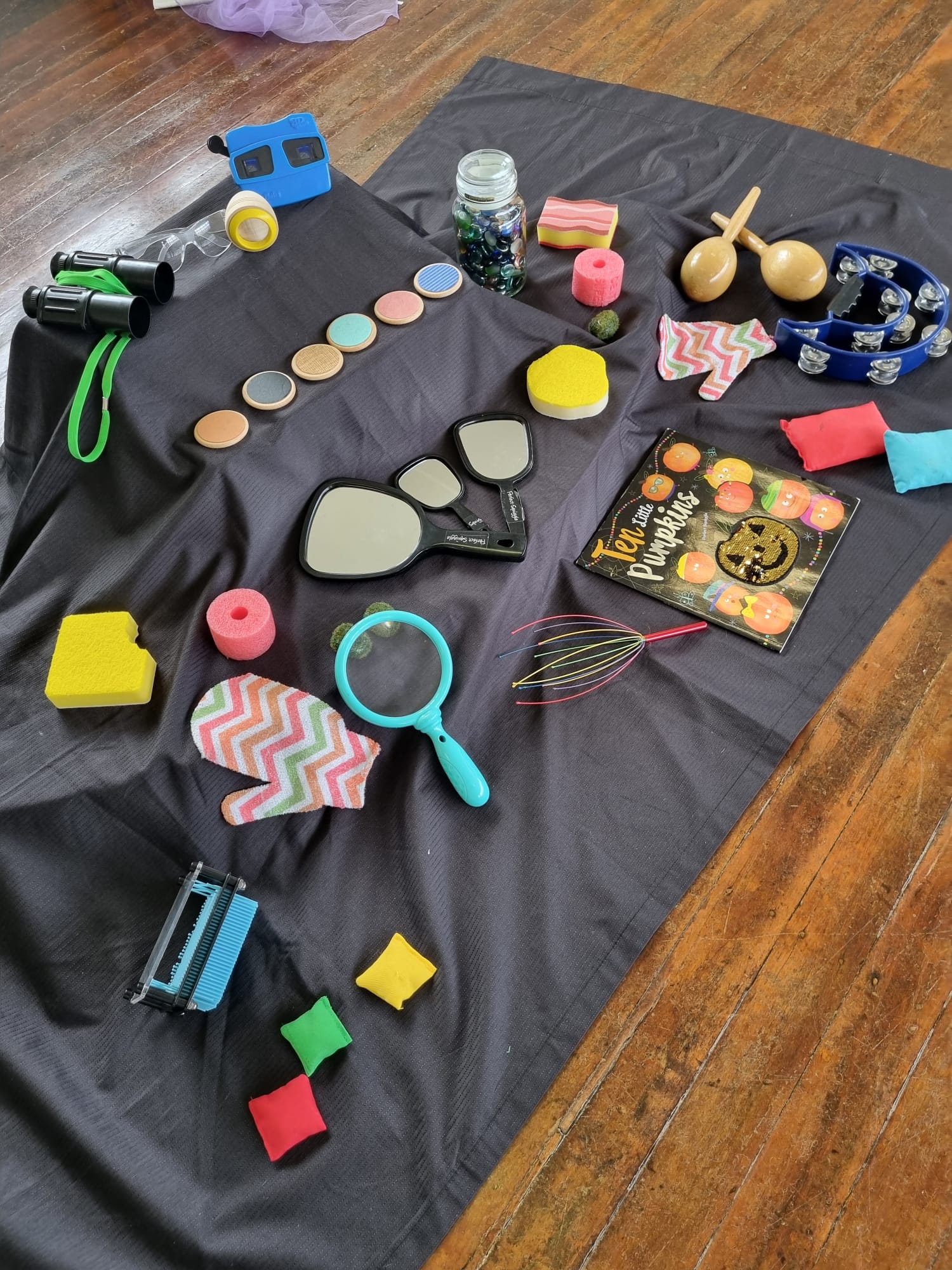
Sensory play is any activity that stimulates one or more of a child's senses: touch, smell, taste, sight, hearing, balance and body awareness. At Perfect Squiggle, our sensory play station is stocked with a rotating variety of materials: pop-it fidget toys, textured rubber mats, cloud-shaped poppers, clear spheres with moving beads inside, slime, sand, water play, and more.
Unlike structured activities with a fixed outcome, sensory play is completely open-ended. Children choose what to explore, how to explore it, and for how long. That freedom is exactly what makes it so powerful.
The early years of life, from birth to around age five, are the most critical period for brain development. Every time a child touches a new texture, shakes a rattle, or squeezes a squishy toy, new neural pathways are formed. Sensory play directly feeds this process.
Tactile and proprioceptive input helps children self-regulate, reducing anxiety and improving focus and calm.
Stimulating multiple senses at once strengthens neural connections, laying the groundwork for thinking and learning.
Describing sensations builds vocabulary: soft, bumpy, cold, stretchy, heavy. These are words that come alive through experience.
Squeezing, pinching, pouring and scooping all strengthen the small muscles in hands and fingers needed for writing later on.
Open-ended sensory materials invite experimentation; children naturally test cause and effect as they play.
Regular exposure to varied textures and stimuli helps children who are sensitive or under-responsive to process sensory input more comfortably.
Our sensory station changes each week to keep things fresh and engaging. You might find water beads, shaving foam, or a rainbow sensory bin filled with rice and hidden treasures. We also include a range of tools such as scoops, funnels, tweezers and cups, so children can extend their play in new directions.
Parents and caregivers are always welcome to sit alongside and play too. Sensory play is a wonderful opportunity to narrate what you're experiencing together: "That feels really bumpy, doesn't it?" This simple language builds a rich inner vocabulary.
Sensory play is beneficial for children from birth right through to school age. Babies benefit from the simplest sensory experiences, such as touching a crinkly fabric or watching light through their fingers. Toddlers and preschoolers are drawn to more complex materials they can manipulate and explore independently.
Sensory play is also particularly beneficial for children who are navigating sensory sensitivities, developmental differences, or who simply need more physical input to feel settled. Our inclusive, judgement-free space welcomes all families.
You don't need expensive kits to bring sensory play home. A tray of dried pasta, a bowl of soapy water, or a zip-lock bag filled with hair gel and glitter can provide the same rich experience. The key is to follow your child's lead, resist the urge to direct, and embrace the mess; that's where the learning is happening.
Explore more of what we offer at Perfect Squiggle.
Playgroup runs every Monday, 9:30am–11:30am at Bald Hills Uniting Church. $10 per family.
Book a Spot